

Youth Civic Institute Building the Next Generation of Civic Leaders
For young people, finding your voice is one thing. Learning how to use it to create change is another.
Last month, ACRS Civic Engagement launched the third year of its Youth Civic Institute (YCI), an eight-week program helping Asian youth ages 16–24 across Seattle and King County build the skills, connections and confidence to take part in civic life and advocate for the issues that matter to them.
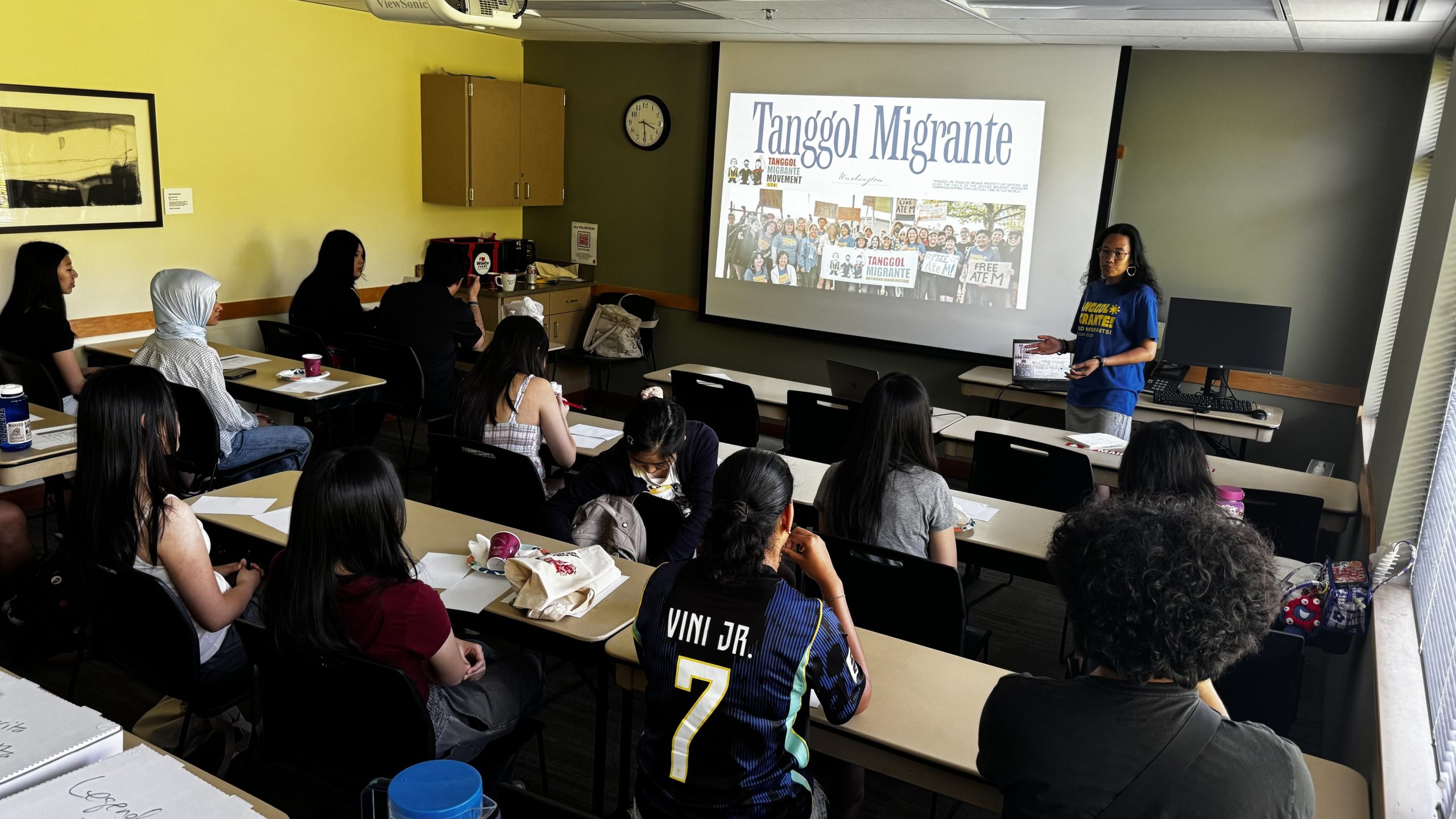
Now in its fourth week, YCI is bringing young people together through weekly workshops focused on community organizing, voter engagement, advocacy, public policy and personal storytelling. Participants also hear directly from community organizations and advocates working on issues affecting local communities. Guest speakers this year have included representatives from Tanggol Migrante and the Washington State Budget and Policy Center.
But YCI is about more than learning how civic systems work. It creates a space for young people to connect with one another, explore their identities and recognize the power they have to shape their communities.
For Shelby Yin, 22, a recent graduate of Soka University of America who studied environmental studies, the program has offered an opportunity to reconnect with the Asian American community while developing new tools to advocate for the issues she cares about.
“I’m passionate about the AAPI community because I’m Japanese and Chinese American,” Shelby said. “Even though Asian Americans have been here for generations and have helped build the United States, we’re still often seen as perpetual foreigners. I want to help be a voice and advocate for our community.”
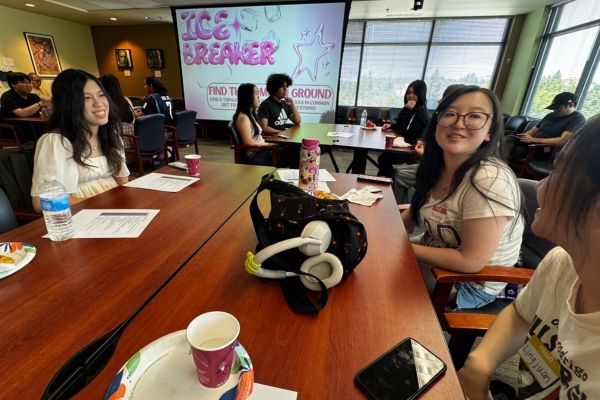
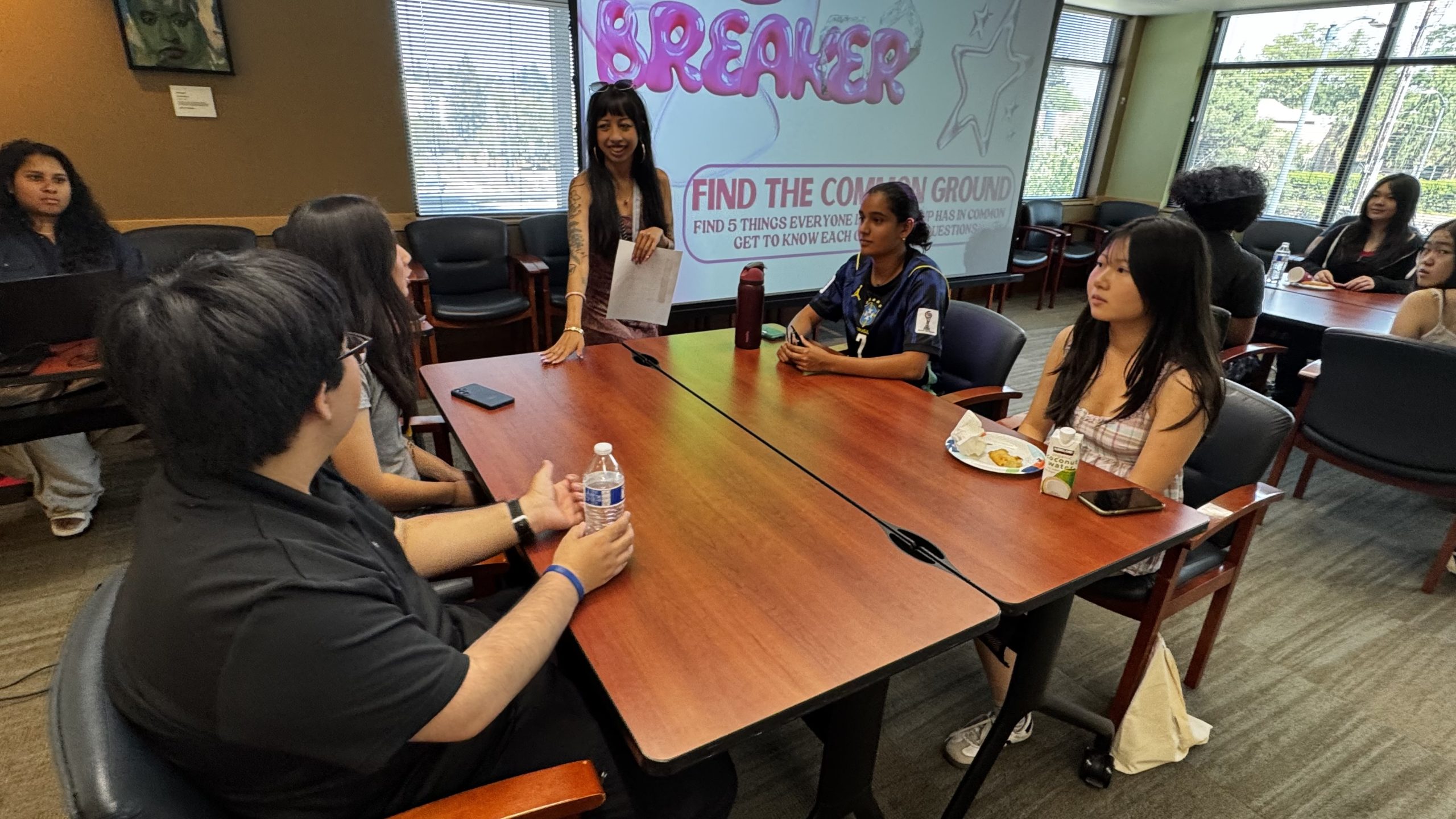
Shelby Yin (second from right) takes part in a discussion with fellow participants in this year’s Youth Civic Institute cohort.
Finding connection through storytelling
One of the lessons that has stood out most for Shelby so far is the power of personal storytelling.
YCI participants are learning how their own experiences can become a starting point for connecting with people from different backgrounds — and how those connections can help communities organize around shared concerns.
“I’ve learned how to share a personal story in a way that connects with people from different walks of life,” Shelby said. “I’ve also been really inspired and connected to other Asian American youth through this.”
That sense of connection has been especially meaningful for Shelby. While attending college, she had few opportunities to build relationships with other Asian American young people. Through YCI, she has found a community of peers who are also thinking about identity, civic participation and how they can contribute to positive change.
Participants are also gaining exposure to voter engagement, immigrant advocacy and the ways public policy decisions can affect families and communities, helping make civic engagement feel less abstract and more connected to everyday life.
Reminding young people that their voices matter
As Shelby continues through the program, she is already thinking about how she can encourage other young people to become involved, especially those who may feel discouraged or wonder whether participating can really make a difference.
“I want to help instill hope in people and remind them that their voice and their opinion matter,” she said. “You can make a difference.”
That belief is at the heart of the Youth Civic Institute.
“Young people already understand so much about what’s happening in their communities and what’s at stake,” said Rockaela Aguirre, ACRS Community Engagement Specialist and Youth Civic Institute organizer. “YCI gives them the space to connect those experiences with the tools to take action — and, just as importantly, to connect with one another. When young people realize they don’t have to wait for someone else to create change, that builds courage, hope and a sense of what’s possible when we act together.”
Over the course of the eight-week program, participants are building practical advocacy and organizing skills, developing relationships with peers and community organizations, and strengthening their confidence in their ability to participate in civic life.
For ACRS, investing in youth voice is also an investment in the future of our communities, ensuring that young people know they belong, their experiences matter and they have the power to help shape what comes next.